You take melatonin for sleep. Sometimes it works. Sometimes it doesn't. You've heard it's a hormone, but you don't really know what that means. You wonder if you're using it wrong, or if there's more to this molecule than just knocking you out.
There is. Much more.
What Melatonin Is:
Melatonin is often called the "sleep hormone." This is like calling the brain the "thinking organ"—technically true, but it misses the full picture.
Here's what melatonin actually does:
1. It is your body's primary time-keeper.
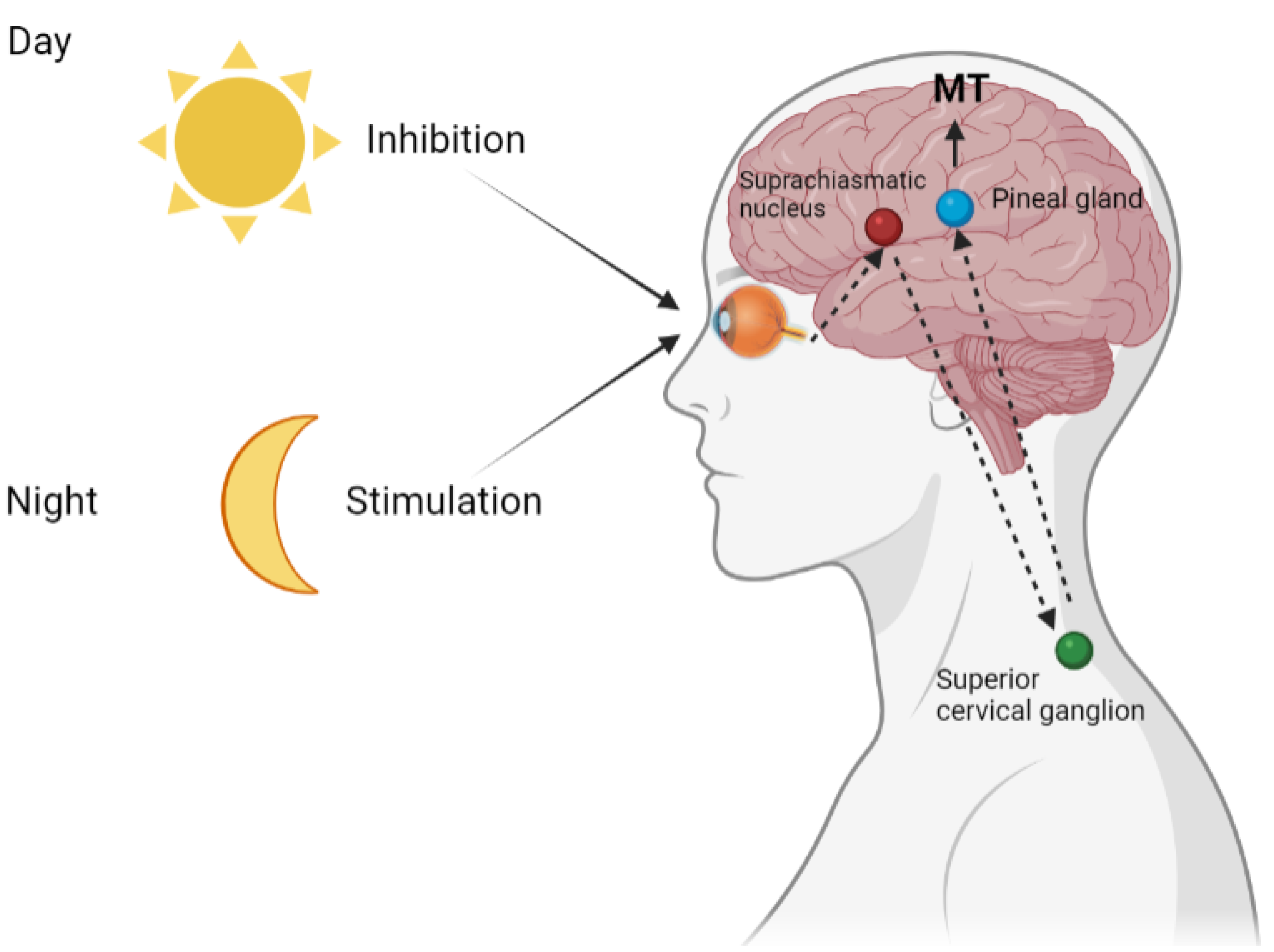
Melatonin is produced by your pineal gland in response to darkness. It doesn't cause sleep directly—it signals to your entire body that "night has begun." This timing signal coordinates thousands of biological processes.
2. It is a master antioxidant.
Melatonin is one of the most powerful antioxidants in your body. Unlike other antioxidants (vitamin C, vitamin E), melatonin is both water and fat soluble. It can enter every cell, every compartment, and neutralize free radicals anywhere.
3. It protects your mitochondria.
Mitochondria—the energy factories of your cells—are major sources of oxidative stress. Melatonin concentrates in mitochondria and protects them from damage. This is mitochondrial health at the molecular level.
4. It modulates your immune system.
Melatonin influences immune function. It's anti-inflammatory during the day, but can enhance certain immune responses at night. This timing matters.
5. It may protect against cancer.
Multiple studies show that people with disrupted melatonin rhythms (shift workers) have higher rates of breast and prostate cancer. Melatonin suppresses tumor growth in laboratory studies.
6. It affects mood.
Melatonin interacts with serotonin pathways. Low melatonin is associated with depression, especially seasonal affective disorder.
THE MELATONIN PARADOX:
Your body produces melatonin naturally. Production peaks in childhood, then gradually declines with age. By age 70, many people produce little to no natural melatonin.
But here's the critical point: The amount your body produces is tiny—measured in picograms (trillionths of a gram). The doses sold in stores—1mg, 3mg, 10mg—are thousands of times higher than natural levels.
This matters because:
· High-dose melatonin acts as a drug, not a hormone replacement
· It can cause grogginess, vivid dreams, and morning drowsiness
· It may disrupt your body's own production
· It can linger in your system, affecting morning alertness
The goal should not be to replace melatonin with supplements. The goal should be to support your body's natural production.
HOW TO SUPPORT NATURAL MELATONIN PRODUCTION:
The Daytime Preparation:
1. Morning Light (Non-Negotiable)
Sunlight in the morning sets a timer: approximately 14-16 hours later, your pineal gland will begin producing melatonin. No morning light = poor melatonin signal at night.
2. Daylight Exposure Throughout the Day
Your pineal gland needs to know it's daytime. Dim indoor light doesn't provide enough contrast. Get outside, even briefly, multiple times daily.
3. Caffeine Cutoff (By 2pm)
Caffeine delays melatonin onset and reduces sleep quality. Half-life is long enough that afternoon coffee still affects night melatonin.
The Evening Preparation:
1. Dim Lights (2-3 Hours Before Bed)
Bright light in the evening suppresses melatonin. Dim your environment. Use candles or low, warm lighting.
2. No Blue Light (90 Minutes Before Bed)
Blue light (screens, LED bulbs) most powerfully suppresses melatonin. Use red-shifted "night mode" if you must use screens—but nothing beats screen-free time.
3. Complete Darkness While Sleeping
Even small amounts of light through closed eyelids reach your retina and suppress melatonin. Blackout curtains, eye masks, and covering electronics are essential.
4. Cool Room (65-68°F)
Melatonin production is optimized in cooler temperatures. Hot rooms disrupt the signal.
THE SUPPLEMENT QUESTION:
When to consider melatonin supplements:
· You're over 50 and have confirmed low melatonin
· You're a shift worker needing to reset your clock
· You're traveling across time zones (jet lag)
· You have specific sleep disorders diagnosed by a doctor
How to use melatonin supplements correctly:
· Start low: 0.3mg to 0.5mg (not 5mg or 10mg). This is a physiological dose close to natural levels.
· Take it early: 1-2 hours before desired bedtime, not right before sleep. This mimics natural release.
· Short-term only: Occasional use for jet lag or resetting rhythm. Long-term nightly use may suppress natural production.
· Red light preference: Some companies now make "red light" melatonin that's more targeted.
What about waking in the night to use the bathroom?
This is the same question from the circadian post. If you need light to navigate:
· Use red light only (red bulbs or red flashlights)
· Keep light low and pointing at the floor, not your face
· Motion-activated path lights are ideal
· Return to darkness immediately
NATURAL FOOD SOURCES OF MELATONIN:
While food sources don't provide high doses, they can support overall levels:
· Tart cherries (especially Montmorency)
· Walnuts
· Almonds
· Goji berries
· Eggs
· Fish (salmon, sardines)
· Milk
· Grapes
· Tomatoes
· Mushrooms
Tart cherry juice before bed has been shown to modestly improve sleep in some studies.
THE OTHER MELATONIN FUNCTIONS (Why This Matters):
Immune Support:
During the COVID pandemic, researchers noted that melatonin use was associated with better outcomes. This makes biological sense—melatonin reduces inflammation and oxidative stress, both drivers of severe illness.
Brain Health:
Melatonin protects neurons from damage. It's being studied in Alzheimer's, Parkinson's, and traumatic brain injury. The mechanism: antioxidant protection plus circadian regulation.
Gut Health:
Your gut produces melatonin too—in much higher quantities than your pineal gland. This gut melatonin regulates motility, inflammation, and the microbiome. Supporting your gut health (see post #3) supports your melatonin system.
Aging:
Melatonin declines with age. This decline correlates with increased oxidative stress, inflammation, and disease risk. Supporting natural melatonin production may be one of the most important anti-aging strategies.
HOW YOU KNOW IT'S WORKING:
With natural production support:
· You feel sleepy at the right time (not wired at midnight)
· You fall asleep within 20-30 minutes
· You wake feeling refreshed, not groggy
· Your sleep feels deep and restorative
· Your immune system feels stronger
· Your mood is more stable
With supplements (when needed and used correctly):
· Jet lag resolves faster
· Shift work transitions are smoother
· Sleep onset improves without morning grogginess
Melatonin is not just a sleep aid you buy at the drugstore. It is a master regulator—a hormone that tells every cell in your body what time it is, a antioxidant that protects your mitochondria, and a molecule that influences your immune system, your brain, and your risk of disease.
The best way to use melatonin is not to take it in pills. It's to create the conditions that allow your body to produce its own—bright days, dark nights, and a life that respects the ancient rhythm of light and darkness.
Your pineal gland is not a pill bottle. It's a factory. And factories need the right conditions to run.
What's one change you'll make to support your natural melatonin tonight?









Collective Insights
Be the First to Share
Your insights could spark meaningful conversations. Share your thoughts above!
Share Your Insight