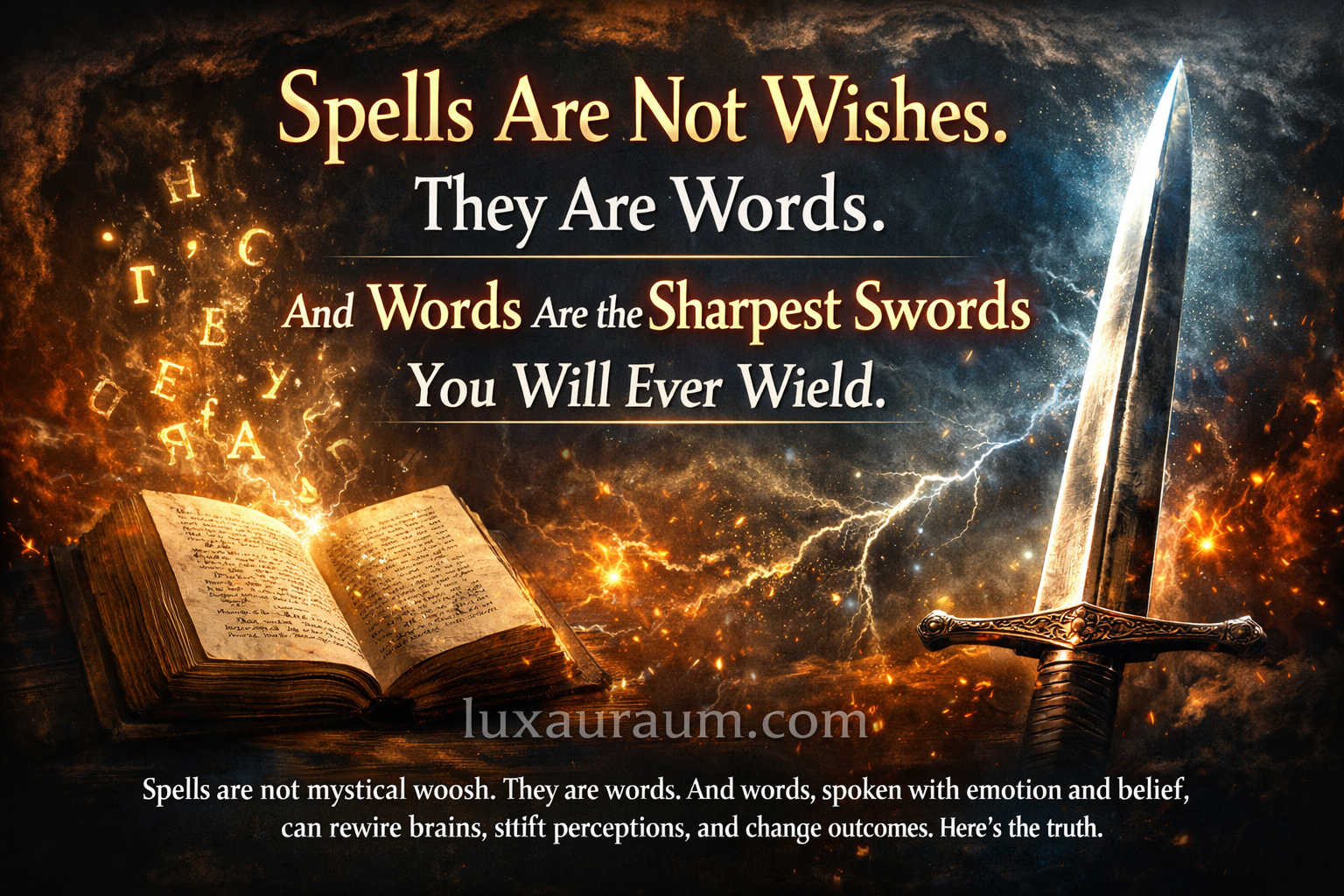
You've seen the movies. The witch waves a wand, mutters nonsense syllables, and green lightning shoots from her fingertips. The wizard shouts Latin, and reality bends. The spell is flashy, external, and completely disconnected from anything you could ever actually do.
You've tried spells yourself. Candles. Incantations. Sigils. Sometimes you feel something. Sometimes you don't. You wonder: Am I doing it wrong? Do I need special powers? Is any of this real?
Here's the truth that changes everything:
Spells are not mystical woosh. They are words. Words are spellings. Spellings are alphabets arranged to carry meaning. And meaning, carried by sound and intention, is the most powerful force you will ever wield.
The movies lied about the lightning. They did not lie about the power.
Spells are words. Words are made of letters. Letters are the building blocks of language. Language is the vehicle of consciousness. Consciousness is the ground of all reality.
When you speak a word, you are not just making noise. You are releasing a sound that originated from within your body—from the same place where your breath lives, where your emotion lives, where your will lives. That sound carries everything you are feeling and believing at that moment.
The spell is not in the word. The spell is in the emotional and intentional force behind the word.
THE ALPHABET AS THE ORIGINAL SPELL
The Bible calls God the Alpha and the Omega. The first and last letters of the Greek alphabet. In Hebrew, the alphabet is called the Alef-Bet. Alef is the first letter. Bet is the second.
What does this mean? It means that before there were words, there were letters. Before there was speech, there were the building blocks of speech. God is not just the beginning and the end. God is the alphabet itself—the raw material out of which all meaning is made.
When you speak a word, you are spelling. When you spell, you are arranging divine letters into a vessel that can carry your intention. That is the original magic.
The word "spell" itself gives it away. To spell a word is to arrange letters correctly. To cast a spell is to arrange words correctly. Same root. Same mechanism. The only difference is intention.
The Book of Genesis describes God speaking the world into existence: "And God said, 'Let there be light,' and there was light." The word was not a wish. It was a creative act. And you, made in that image, also speak things into existence—not ex nihilo (from nothing), but into the minds and hearts of those who hear you.
THE TWO FACTORS THAT GIVE WORDS THEIR POWER
Not all words are spells. Not all spells work. Two factors determine the power of any spoken word.
1. Energy in Motion (E-Motion)
Emotion is not separate from magic. Emotion is the fuel. The word "emotion" comes from the Latin emovere—to move out, to agitate, to set in motion.
When you speak with flat affect, with no feeling, with detachment—the word lands like a feather. It has no weight. It penetrates nothing.
When you speak with genuine emotion—anger, love, fear, conviction—the word carries energy. It moves. It vibrates. It enters the hearer not as information but as force.
The Zohar teaches that the prayers of the heart rise higher than the prayers of the lips. The same is true of spells. A spell spoken from the throat lands in the ear. A spell spoken from the gut lands in the bones. A spell spoken from the heart lands in the soul.
2. Belief
Belief is the anchor. Emotion provides the force. Belief provides the direction.
If you speak a spell but do not believe it will work, you have cut the string before releasing the arrow. The energy dissipates because there is nothing holding it together.
If you speak a spell and believe completely—not hoping, not wishing, but knowing—the word becomes a seed that has already germinated. It grows whether you watch it or not.
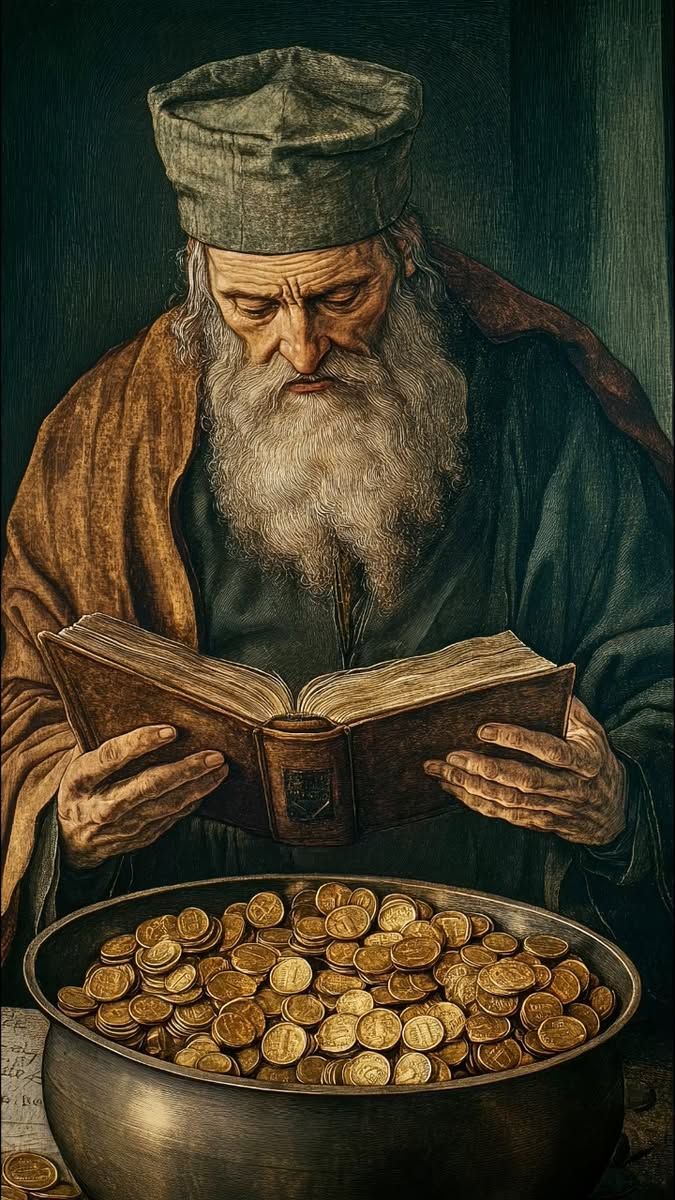
The Talmud (Berachot 55b) teaches: "A person is only shown what is in their own mind." What you believe is what you will see. What you see is what you will act upon. What you act upon becomes reality.
Belief is not positive thinking. Belief is the architecture of perception. Change the belief, and you change what the brain filters in. Change what the brain filters in, and you change what you notice. Change what you notice, and you change what you do. Change what you do, and you change what happens.
That is the spell.

WORDS AS SWORDS: The Mechanism of Influence
The Bible says: "The word of God is living and active, sharper than any two-edged sword, piercing to the division of soul and spirit, of joints and marrow, and discerning the thoughts and intentions of the heart" (Hebrews 4:12).
This is not poetry. This is mechanics.
A word, spoken with emotion and belief, does not just inform. It penetrates. It bypasses the outer defenses and goes straight to the inner architecture of the hearer.
Here is how it works:
When you speak a word to someone, the sound enters their ear. It travels to their auditory cortex. But before it reaches their reasoning centers (the prefrontal cortex), it passes through their emotional centers (the amygdala and limbic system).
If the word carries emotional charge, the amygdala activates. It tags the word as important. It flags it for deeper processing.
If the word is repeated, the hippocampus strengthens the memory trace. It becomes familiar. Familiar becomes true.
If the word aligns with existing beliefs, it is accepted immediately. It reinforces what is already there. It strengthens the neural pathway.
If the word contradicts existing beliefs but is spoken with enough emotional force, it creates dissonance. The brain wants to resolve dissonance. It can resolve by rejecting the word—or by shifting the belief to accommodate it.
This is how propaganda works. This is how advertising works. This is how persuasion works. And this is how spells work.
A spell is not a command to the universe. It is a word aimed at a mind—your own or another's. It is a seed planted in the soil of belief. And seeds, once planted, grow whether you water them or not.
THE TWO-EDGED SWORD: Words That Build and Words That Break
The same word that heals can harm. The same word that lifts can crush. The sword cuts both ways.
For those with a strong prefrontal cortex—those who are self-aware, critical, grounded—words are processed slowly. They are examined. They are accepted or rejected based on evidence. The sword may not penetrate.
For those with a weak prefrontal cortex—those who are exhausted, emotional, unreflective, or under the influence of stress or substances—words go straight to the limbic system. The sword finds the joint and divides it. The word bypasses reason and lands in belief.
For those with an activated amygdala—those who are afraid, angry, threatened, or in pain—the prefrontal cortex is already offline. The sword does not need to cut. The gate is already open.
This is why spells work best on those who are vulnerable. Not because the spellcaster is evil. Because the mechanism of penetration requires an opening. Fear opens the gate. Exhaustion opens the gate. Desperation opens the gate.
The ethical spellcaster does not exploit the open gate. The ethical spellcaster helps the wounded close it.
THE GOD WITHIN: Where the Power Actually Comes From
You have been taught that spells summon power from outside. From spirits. From demons. From the universe.
This is not true.
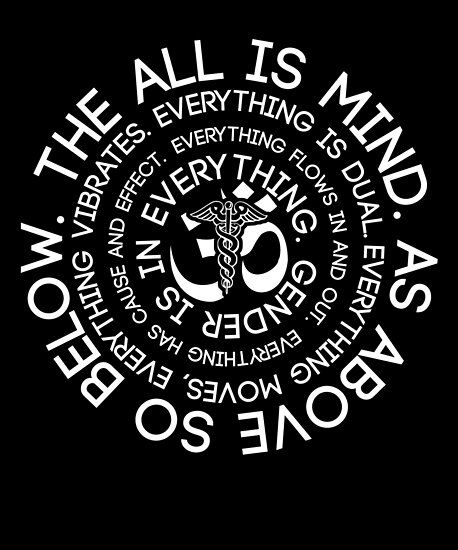
The power of a spell comes from within. It comes from your breath, which is your life. It comes from your emotion, which is your energy in motion. It comes from your belief, which is your perception of what is possible.
The Zohar teaches that the divine spark is within every person. The Baal Shem Tov taught that God dwells wherever you let God in.
When you speak a spell, you are not reaching outside yourself. You are awakening the power that is already inside you. You are firing the program. You are pressing the "on" switch of a machine that has been waiting, powered down, in your own soul.
The Alpha and Omega are not distant beings. They are the letters on the page. They are the breath in your lungs. They are the vibration on your tongue. They are within you.
THE PRACTICAL APPLICATION: How to Make Your Words Spell
If you want your words to carry weight, to penetrate, to shift reality—here is what you must do:
1. Feel before you speak. Do not speak from the throat. Speak from the gut, the heart, the place where emotion lives. If you feel nothing, your words will do nothing.
2. Believe what you say. If you doubt, the spell is cut. Find the part of you that knows—not hopes, not wishes, but knows—and speak from there.
3. Aim with precision. Words are swords. Do not swing wildly. Know what you want to cut and what you want to spare.
4. Understand your target. A spell aimed at someone with a strong prefrontal cortex will bounce. A spell aimed at someone in fear will land. Use this knowledge ethically.
5. Seal with action. The spell opens the door. Action walks through it. Words without action are echoes. Words with action are destiny.
Spells are not wishes. They are words. Words are spellings. Spellings are alphabets. Alphabets are the building blocks of meaning. Meaning is the architecture of consciousness.
When you speak, you are spelling. When you spell, you are casting. The question is not whether your words have power. They do. The question is whether you are using that power with intention, with emotion, with belief—or whether you are letting your words fly like arrows without a target.
The movies lied about the lightning. They did not lie about the power.
The power is real. The power is yours. And the only thing standing between you and a world shaped by your words is the willingness to feel, to believe, and to speak.
What will you spell today?
Sources cited:
· Genesis (creation through speech)
· Hebrews 4:12 (word as two-edged sword)
· Zohar (divine spark within)
· Baal Shem Tov teachings
· Talmud (Berachot 55b)

Collective Insights
Be the First to Share
Your insights could spark meaningful conversations. Share your thoughts above!
Share Your Insight